
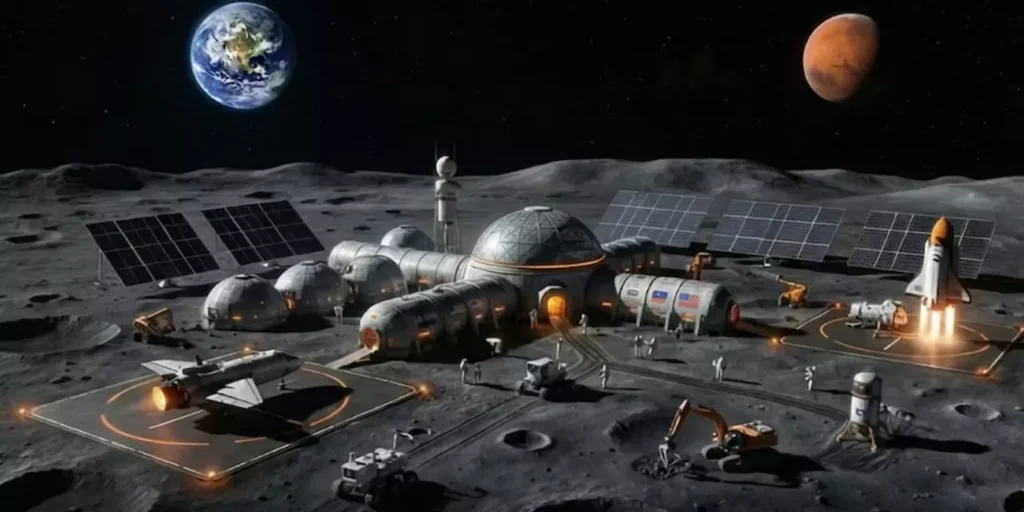
Following the success of Artemis II, NASA has revealed its most ambitious plan in decades: establishing a permanent human presence on the Moon through dozens of missions and the construction of a base on its surface.
The project, detailed in the so-called “Lunar Base User Guide”, contemplates up to 73 lunar landings in the coming years, with the aim of starting continuous operations from 2032.
A PLAN IN THREE PHASES
The strategy is divided into three progressive stages. The first, with more than 20 landings, seeks to lay the technological and logistical foundations before 2029. The second contemplates the development of infrastructure and frequent manned missions, while the third aims at permanent occupation using resources from the Moon itself.
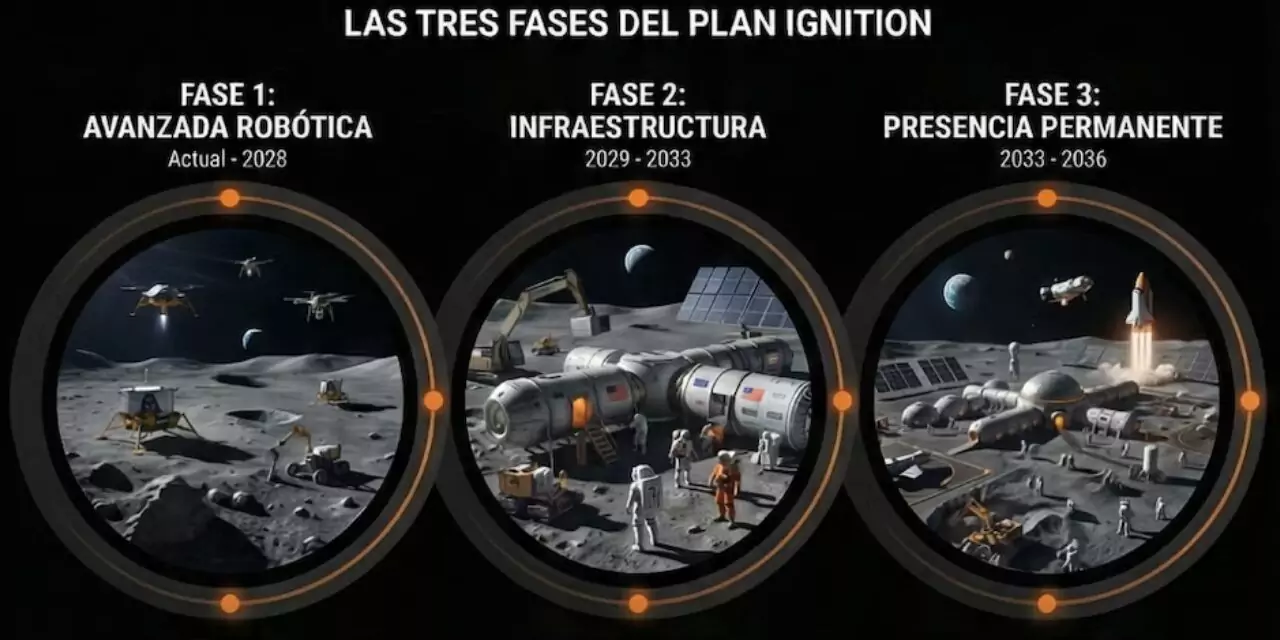
The focus is on the lunar south pole, considered key due to its scientific potential and the possible presence of frozen water.
INSUFFICIENT TECHNOLOGY AND EXTREME RISKS
Despite the optimism, the document itself recognizes important limitations. Inaccurate landing systems, lack of reliable power sources and poor understanding of the effects of the lunar environment on the human body are among the main challenges.
Extreme conditions – radiation, abrasive dust and severe temperatures – will force the development of completely new technologies to ensure the survival of astronauts.
MILLIONAIRE COSTS AND DELAYS
The Artemis program already exceeds 100 billion dollars and is accumulating delays compared to its original schedule. In addition, it faces budget pressures after cuts proposals from the White House.
Each launch of the SLS system represents a multimillion-dollar expense, which has raised questions about the long-term financial viability of the project.
GLOBAL COMPETITION ACCELERATES THE CALENDAR
The geopolitical factor also weighs. The United States seeks to maintain leadership over China, which plans to send astronauts to the Moon before 2030 and has shown interest in the same strategic areas.
This new space race has driven accelerated decisions and alliances with private companies such as SpaceX and Blue Origin, which are developing key lunar landing systems for future missions.
FROM THE MOON TO MARS
Missions such as Artemis III and Artemis IV will be decisive in validating technologies and carrying out the first manned descents of this new stage.
Beyond the satellite, NASA projects that the experience on the Moon will serve as a platform for future missions to Mars, including the use of nuclear energy and local resources.
BETWEEN PROGRESS AND UNCERTAINTY
Although the plan represents a historic leap in space exploration, it also shows a tension between ambition and reality. Technical challenges, rising costs and international competition raise questions about whether the schedule can be met.
For now, the goal of a human base on the Moon remains as promising as it is uncertain.
You may also like
-
Windows 11 renewed: Microsoft releases lighter version and less dependent on Copilot
-
Tim Cook steps down as CEO
-
Samsung brings home control to the car screen
-
WhatsApp tests messages that self-destruct after being read: extra privacy for your chats
-
Samsung integrates AirDrop into Galaxy S26: Quick Share now works with iPhone