
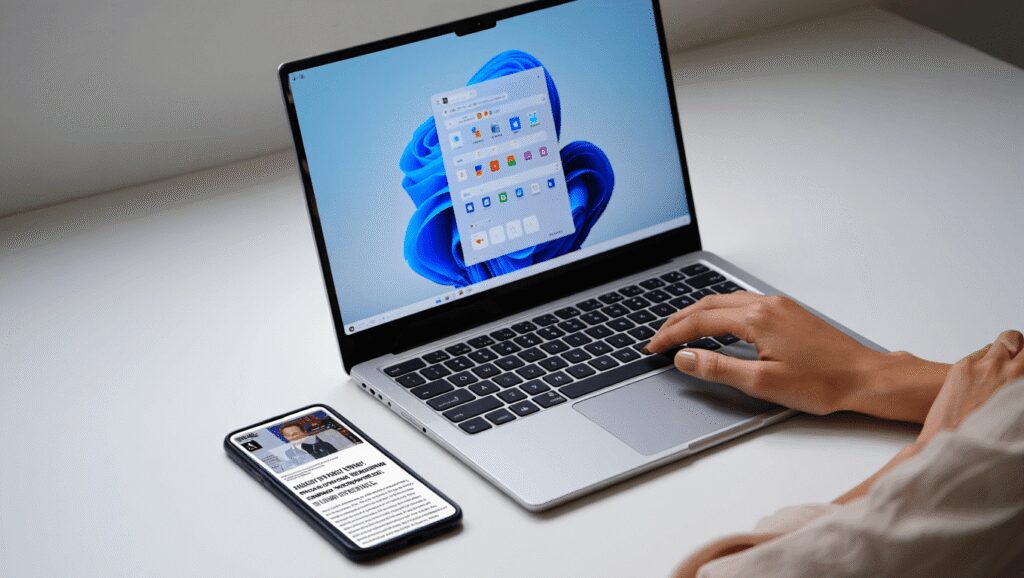
The unexpected commercial push of the MacBook Neo seems to have set off alarms in Redmond: Microsoft announced this week a rethinking focused on the quality of Windows, with changes that will begin to roll out throughout 2026 and that promise to improve the daily user experience. If fulfilled, the modifications will reduce intrusive elements such as certain AI integrations and ads, and prioritize performance and stability.
The announcement came from Pavan Davuluri, executive vice president of Windows and Devices, who attributed the decision to a growing volume of community feedback. According to the company, the updates will respond to those criticisms and will begin to arrive in stages throughout the year.
To design and execute the modifications, Microsoft brought together a group of engineers and internal figures with experience in software development, including Rudy Huyn and Scott Hanselman. The company talks about concrete deliverables instead of vague promises: screenshots and preliminary lists of functions accompanied the announcement.
Inside Microsoft this set of changes is called internal Windows K2. The roadmap points to a lighter system, with greater stability and with a more limited and selective integration of artificial intelligence.
One of the most notable elements is the relocation of AI assistance: Copilot would stop appearing in applications such as Notepad, Photos, Widgets and Clippings as it was considered that these shortcuts did not provide sufficient value. The stated intention is for AI to be an intentionally accessible tool, not a constant presence.
Measures were also announced to reduce advertising within the system: the recommended applications section in the Start Menu will show fewer ads and, according to Microsoft, there will be an option in the settings to disable advertising completely.
Windows 11 faster and with customization options
In parallel with cleaning up the interface, the development team will put emphasis on improving performance. The stated objective is to accelerate operations of daily use: opening of the File Explorerresponse to common tasks and lower resource consumption.
One of the most repeated requests by users—moving the taskbar—is on the priority list. The images published by the company show that the taskbar It can be placed on the sides or at the top of the screen, something that many veteran Windows users have been asking for for some time.
It’s not all design changes: Microsoft also aims to correct persistent bugs in drivers, Bluetooth connections, errors derived from USB ports and the experience with printers, areas that have generated recurring complaints on forums and networks.
- Copilot culling in apps with low added value (Notepad, Photos, Widgets, Clippings).
- Ad reduction in Start Menu and option to disable them from settings.
- Performance improvements: More agile file explorer and system optimizations.
- Greater stability by reviewing drivers, Bluetooth, USB and printers.
- Personalization: possibility of moving the taskbar to the sides or to the top of the screen.
These changes come at a time of competitive pressure: Apple’s combination of more affordable hardware and changing user expectations are forcing Microsoft to demonstrate visible results. Still, skepticism remains: The company has announced similar priorities in the past without all of them quickly materializing.
The difference now, according to internal sources cited by Microsoft, is the formation of a dedicated team and the publication of concrete progress. If the schedule holds, users will see iterations of these improvements throughout 2026; The actual impact will depend on the speed of deployment and compatibility with the broader Windows hardware ecosystem.
Similar items

Diego Soler explores technological trends and digital innovations. You will enjoy practical tutorials and direct advice to better understand artificial intelligence, cybersecurity and new technologies.
You may also like
-
Tim Cook steps down as CEO
-
Samsung brings home control to the car screen
-
WhatsApp tests messages that self-destruct after being read: extra privacy for your chats
-
Samsung integrates AirDrop into Galaxy S26: Quick Share now works with iPhone
-
Don’t have time to edit? Facebook’s new AI creates your posts for you