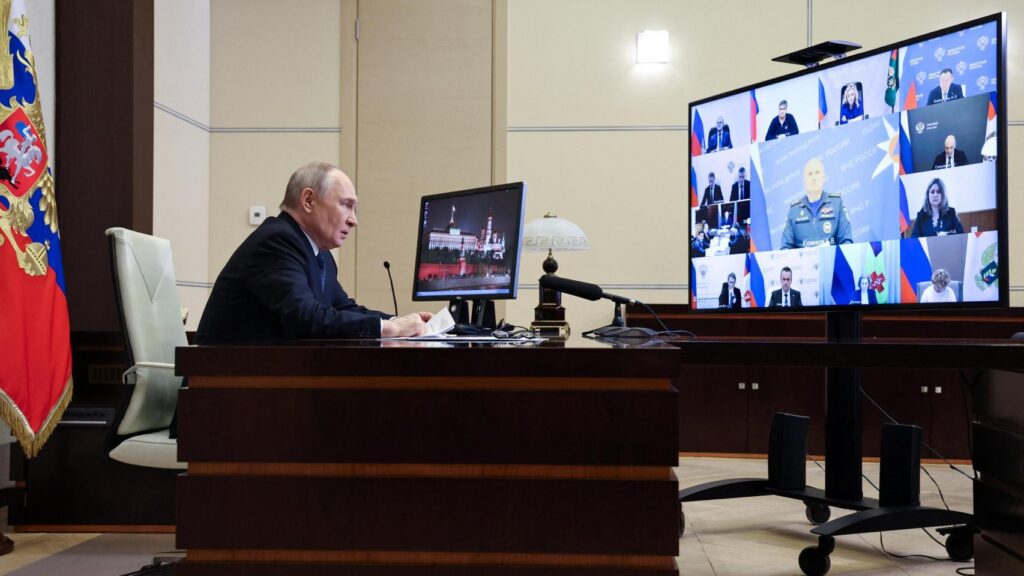
The feeling of growing discontent among the Russian population regarding the management of Vladimir Putin It is increasingly latent. The repression carried out by the Kremlin against the internet connection has unleashed unprecedented anger in Russia.
This weekend, several dozen people lined up in front of a government building in Moscowin protest, while the police remained close to them and watched them. These demands have become visible in publications on social networks such as X.
More unrest in the savage Russian hellscape, as Moscow residents are unable to endure life after the Czar took away their internet, with 200 of the bastards showing up to file appeals that’ll never be read because they live in a hellish dictatorship. pic.twitter.com/pVSGWYhO7I
— Jay in Kyiv (@JayinKyiv) April 4, 2026
Knowing that Any unauthorized demonstration is harshly repressed.activists opposed to these measures have attempted to organize government-sanctioned rallies, posted posters on walls and bulletin boards, and filed lawsuits.
The organizers acted cautiously, but most of these calls were rejected, and some activists were even arrested on various charges, according to reports. Associated Press.

Protesters complained about the intensification of repression against the internet. This has included regular outages to mobile internet connections, blocking popular messaging apps and disrupting access to thousands of other websites and digital services.
Since the beginning of the war, in Russia there has been cuts in internet communication, especially in strategic or border areas with Ukrainewith the intention of monitoring the information that leaves the country.
However, this has gone further. In recent weeks, Russian territory has suffered continuous mobile internet outages, which hinders people’s ability to move around the country’s different cities.
This internet blackout was first reported in some suburbs of Moscow on March 5 and is spread throughout the Russian capital. Although the Kremlin has justified this blackout on Russian streets based on security reasons, it is provoking criticism even from its own supporters.
End this control
Leaders of the business sector have pleaded with the authorities to repeal the measures, since these restrictions greatly affect the development of economic activity.
In recent weeks, a growing number of business leaders in Russia have expressed concern about the drastic decisions taken by the Executive and have urged the authorities to adopt a more moderate approach.
Alexander Shokhinpresident of the Russian Union of Industrialists and Entrepreneurs, addressed the Russian leader at a recent forum of the group, in which he conveyed that internet outages on mobile phones “made life difficult for both companies and citizens.”
“Given the high level of penetration of mobile technology in our lives, we hope that a systemic and balanced solution will be found,” said Shokhin, a Russian minister in the 1990s and a member of the ruling party. United Russia since the 2000s.
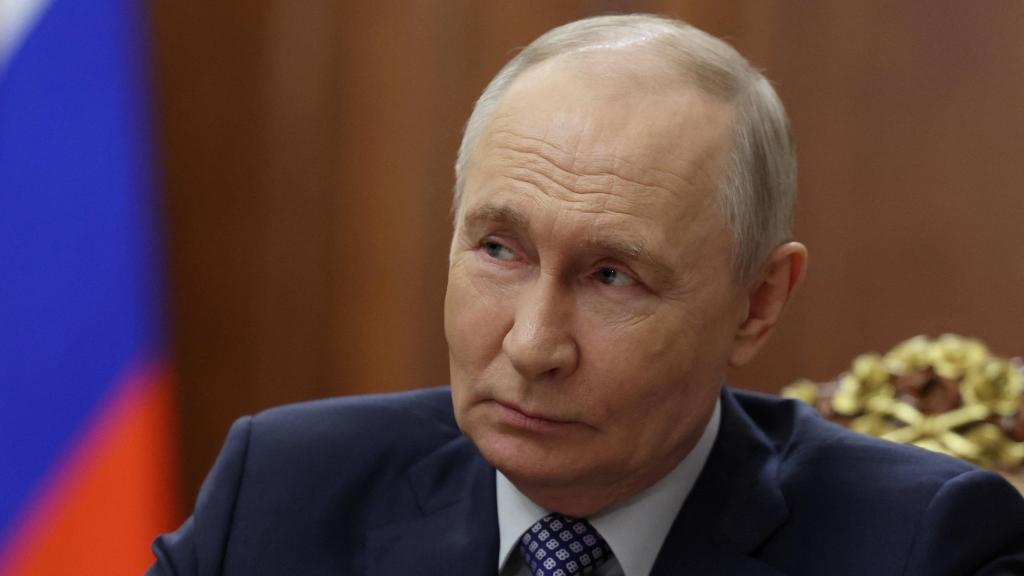
Vladimir Putin, Russian leader, during a photograph in the Kremlin.
Reuters
Putin, who was on stage with Shokhin, heard the request to relax control over the mobile internet and, although he spoke immediately after it, he did not address this issue, despite the fact that it is an increasingly recurring issue in society.
The opposition politician and critic of the Kremlin, Boris Nadezhdinexpressed the feelings of many Russians who are increasingly upset by internet repression when he said in an interview with the American media Associated Press that these decisions “enrage a lot of people.”
Even the prime minister of Armenia, Nicole Pashinyanthrew an indirect veil at his Russian counterpart during a television meeting between both leaders, stating that “social networks in Armenia are 100% free, without any type of censorship,” he said.
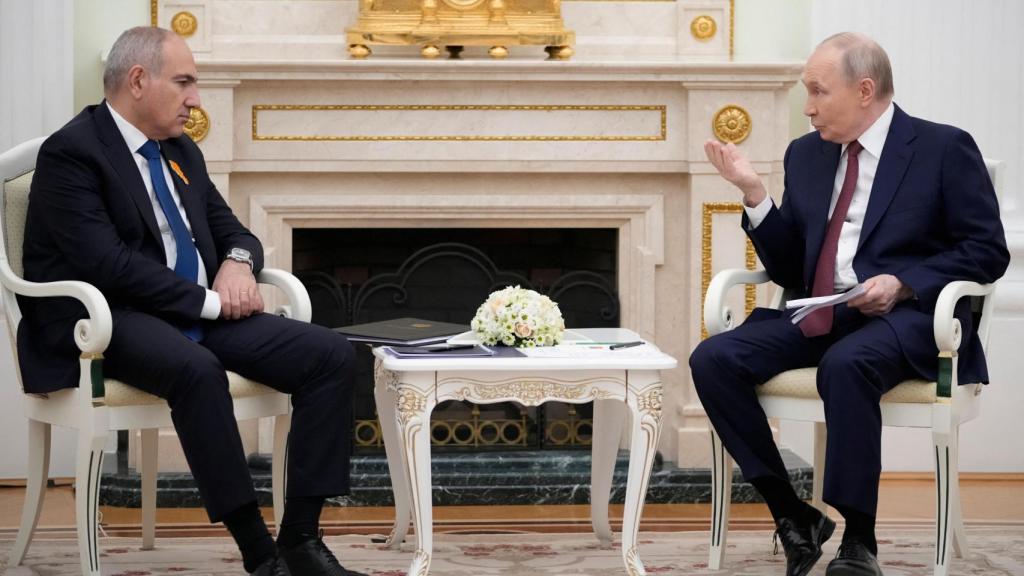
Vladimir Putin, together with Nadezhdin, at a joint event in the Kremlin.
Reuters
This phrase provoked a look from Putin, who with a serious face glanced at Pashinián, visibly uncomfortable with what the leader of this small country, located in the southern Caucasus region, had just declared.
Meanwhile, Nadezhdin, his supporters and other activist groups called for demonstrations in dozens of cities on April 12, stating that “discontent is widespread,” and claiming to be “willing to increase pressure” on the Government.
This Tuesday, the Kremlin has spoken out and assured that the restrictions “are carried out for security reasons” and that they will rise once the threat passes.
This has been the response made by the Kremlin spokesman, Dmitry Peskovregarding whether these were regressive measures, those taken by the Executive of the Russian Federation.
“We find ourselves in a situation where security considerations require the adoption of certain measures,” he told reporters present.
Emergency calls and NFC payment
Russian citizens wearily complain that they cannot carry out daily activities, such as making calls to communicate with a family member or making a contactless payment using the NFC method, using their mobile phone.
In fact, in some areas of the Russian capital, emergency calls do not even work, which can cause a major health problem for the affected person, according to some users in messages shared on social networks.
The Russian government continues to tighten internet and network restrictions, sending Russians into a frenzied panic as even emergency calls no longer work in some areas.
The Gargoyle Midget czar is taking them back to the 1500’s. pic.twitter.com/9alDtT45N3
— Jay in Kyiv (@JayinKyiv) April 3, 2026
The Kremlin has lashed out at the country’s two most popular messaging apps — WhatsApp and Telegram — while promoting a state-backed “national” app called MAXwidely considered a surveillance tool.
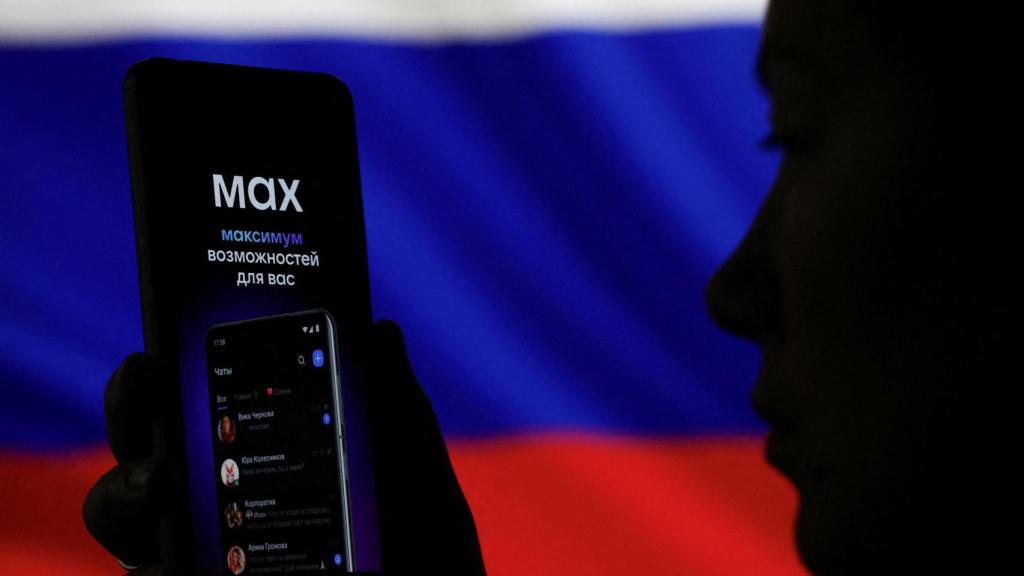
Illustration of the MAX messaging app.
Reuters
The Russian Executive has suggested to its citizens that they use this application for all types of communication, developed in Russia and which follows in the footsteps of WeChat as an app that offers everything from banking payments to messaging services or even a social network.
The use of WhatsApp y Telegramis increasingly restricted in Russia. At first, voice and video calls were blocked on the two social networks.
VPN cuts
Later, sending messages also became an impossible mission without using a VPNsomething increasingly limited by the Government’s control mechanisms.
Last week, the Minister of Digital Affairs and Communications, Maksut Shadayevstated that his ministry was instructed to further reduce the use of this connection method through this private network.
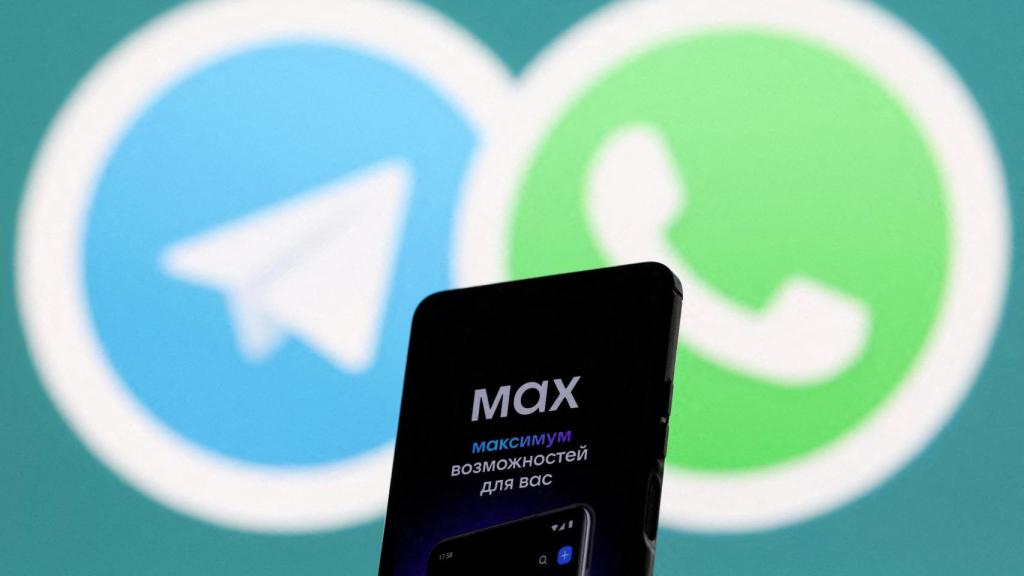
The MAX social network is the one that the Russian Government intends to prioritize over WhatsApp and Telegram.
Reuters
According to press reports, his ministry has proposed a series of new measures against VPNs, to prevent Russian citizens from being able to connect through this mode to circumvent the controls imposed by the Executive.
The prominent businesswoman in the information technology sector, Natalya Kasperskayaharshly criticized the communications regulatory agency Roskomnadzor.
For Kasperskaya, the growing efforts of the Roskomnadzor agency are affecting basic serviceswhich caused a cut in banking service last weekend.
“There is no technical way to block VPNs without interrupting your entire Internet connection,” he wrote in a post on Telegram.
“Comrades, take screenshots of interesting websites, withdraw as much money as you can and prepare to listen to radio reports about foreign enemies who have blocked our once beloved Runet,” referring to the Russian internet service.
These accusations had a response from this state body, in charge of controlling communications, denying its involvement. Kasperskaya ended up apologizing, although she requested that dialogue with the technology sector be increased.
You may also like
-
Artemis II confirms human return to lunar orbit with spectacular photos
-
Starmer blames Foreign Affairs for the security failure that allowed Mandelson, Epstein’s partner, to be appointed ambassador
-
Germany stops Sánchez in his attempt to suspend the association agreement between the European Union and Israel
-
These are the reasons why he will not be a new Orbán
-
The last hours of the truce between the US and Iran pass between threats, lack of progress and Hormuz still closed